
Get Backflow Plumbing Replacement
Backflow plumbing replacement services help property owners fix and replace faulty or outdated backflow prevention devices to ensure safe, code-compliant water systems.
Property owners exploring backflow plumbing replacement services often seek reliable solutions to ensure their plumbing systems remain safe and compliant. Whether addressing age-related wear, preventing contamination, or upgrading outdated infrastructure, many in the area recognize the importance of professional assistance to manage these projects effectively. Local contractors specializing in backflow services can provide the expertise needed to plan and execute these replacements with confidence, helping property owners maintain the integrity of their plumbing systems.
As property owners compare options within the community, understanding the range of services offered by local service providers can make a significant difference. Many choose to explore their choices carefully, considering the experience and reputation of nearby contractors to find the right match for their specific needs. Continuing to read can offer valuable insights into the services available, guiding property owners toward informed decisions for their backflow plumbing replacement projects.
- Backflow Prevention Device Replacement - when existing backflow preventers are outdated or malfunctioning and need upgrading to ensure proper water safety.
- Backflow Pipe Replacement - if damaged, corroded, or leaking backflow pipes require replacement to prevent contamination and water flow issues.
- Backflow Testing and Replacement - when backflow testing indicates the need for component replacement to maintain compliance and system integrity.
- Commercial Backflow System Replacement - for businesses experiencing backflow system failures that threaten water safety or violate local regulations.
- Emergency Backflow Repair and Replacement - during urgent situations where backflow issues pose immediate health risks or property damage.
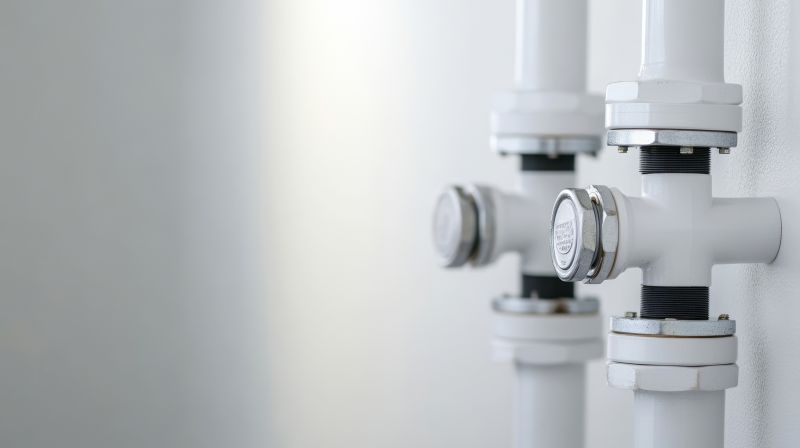
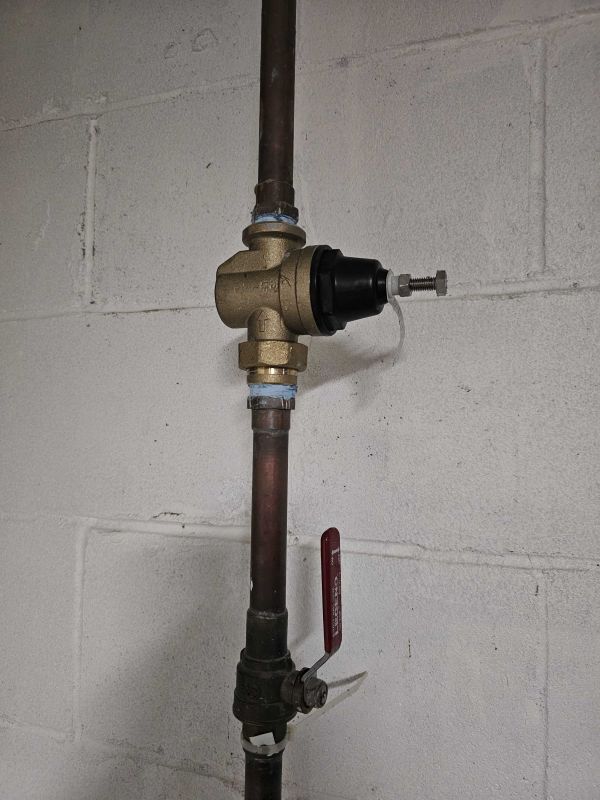
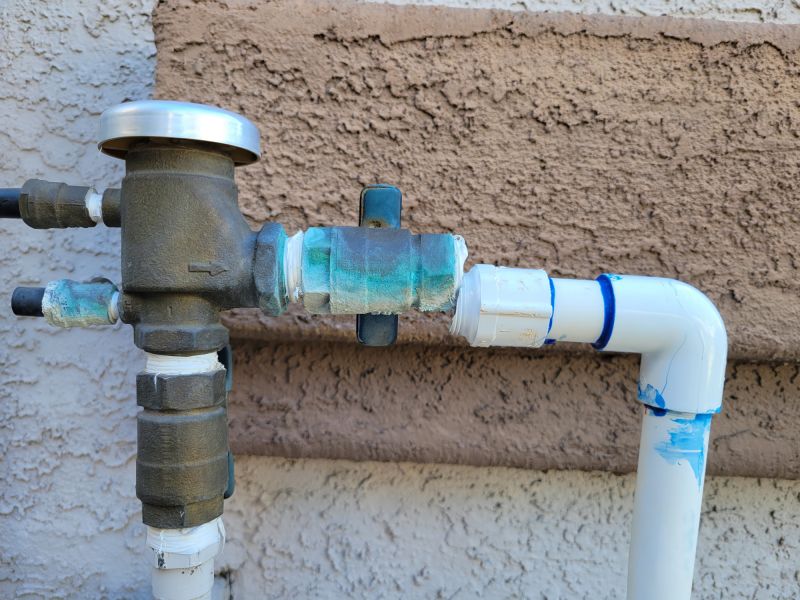
Backflow plumbing replacement services involve removing and replacing outdated, damaged, or improperly installed backflow prevention devices within a property's plumbing system. These devices are crucial for preventing contaminated water from flowing back into the clean water supply. When a backflow preventer becomes faulty or fails to meet current standards, it can compromise water safety and lead to costly repairs or water quality issues. Professional service providers assess the condition of existing backflow devices, recommend suitable replacements, and ensure the new units are properly installed to maintain the integrity of the plumbing system.
This service helps address a variety of problems, including persistent leaks, corrosion, or device failure that can cause water pressure issues or contamination risks. Property owners might notice reduced water flow, strange tastes or odors in the water, or even visible damage to the backflow preventer. Replacing a backflow preventer is often necessary after years of service, or if local regulations require updated devices to meet safety standards. Local contractors can evaluate the specific needs of each property and recommend the appropriate type of backflow prevention equipment to ensure ongoing water safety and system reliability.
Backflow plumbing replacement services are commonly used in commercial buildings, industrial facilities, and residential properties where maintaining a safe and compliant water supply is essential. Commercial properties such as restaurants, schools, and healthcare facilities often require regular backflow device inspections and timely replacements to meet health codes. Residential homes, especially those with irrigation systems or wells, also benefit from these services to prevent potential contamination. Property owners should consider replacement when devices show signs of aging, or if they have experienced recent plumbing upgrades or repairs that impact backflow prevention.
Choosing the right local service provider for backflow plumbing replacement ensures that the work is performed correctly and in accordance with local standards. Experienced contractors can handle a range of property types and system complexities, providing expert assessments and quality installations. Regular evaluations and timely replacements help maintain water quality, prevent costly damages, and ensure compliance with safety regulations. Contacting a trusted local professional is a practical step for property owners who want to safeguard their water systems and avoid potential health hazards associated with backflow issues.
The overview below groups typical Backflow Plumbing Replacement projects into broad ranges so you can see how smaller, mid-sized, and larger jobs often compare in your area.
In many markets, a large share of routine jobs stays in the lower and middle ranges, while only a smaller percentage of projects moves into the highest bands when the work is more complex or site conditions are harder than average.
Smaller Repairs - Typical costs for minor backflow repairs or part replacements generally range from $250 to $600. Many routine jobs fall within this middle range, though prices can vary based on specific issues and local rates.
Partial Replacement - Replacing a section of the backflow prevention system usually costs between $600 and $1,500. Larger, more involved projects tend to push costs toward the higher end of this range, while simpler repairs stay toward the lower end.
Full Backflow Device Replacement - Complete replacement of a backflow prevention device often costs between $1,500 and $3,000. These projects are common for older systems or when upgrades are required, but costs can increase with system complexity.
Large or Complex Installations - Extensive backflow system replacements or installations can reach $5,000 or more. Such projects are less frequent and typically involve additional plumbing work or site-specific challenges that influence the final price.
Actual totals will depend on details like access to the work area, the scope of the project, and the materials selected, so use these as general starting points rather than exact figures.
Water Line Replacement - involves replacing or repairing water supply lines, requiring similar planning and pipe installation skills as backflow plumbing replacement.
Sewer Line Repair - includes diagnosing and fixing underground sewer pipes, utilizing similar excavation tools and plumbing techniques used in backflow system upgrades.
Valve and Fixture Replacement - entails upgrading or replacing plumbing valves and fixtures, which shares planning and installation skills with backflow device replacements.
Drain Line Clearing - involves clearing blockages and repairing drain pipes, requiring knowledge of plumbing systems similar to backflow prevention setups.
Water Pressure Regulation Projects - includes installing or repairing pressure regulators, which involves similar system planning and plumbing skills as backflow device work.
Irrigation System Installation - involves underground piping and system setup, sharing planning and pipe installation skills relevant to backflow plumbing services.
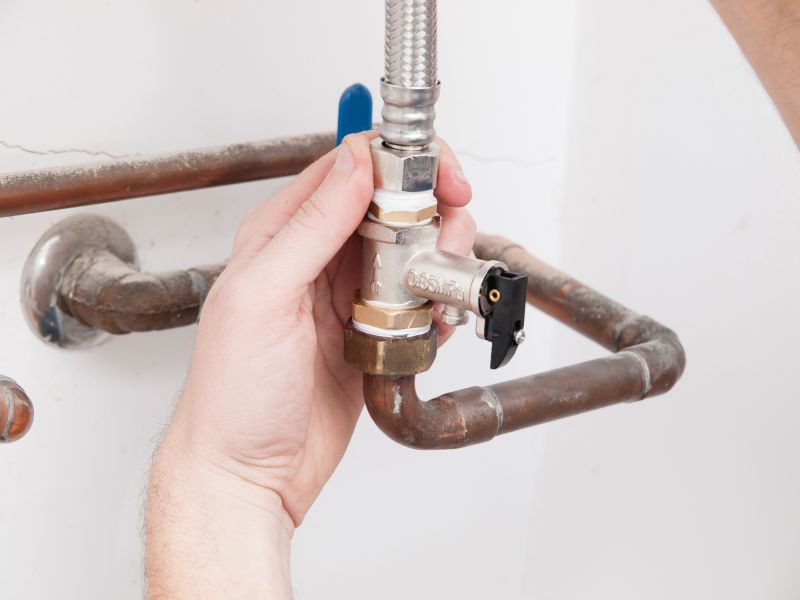
When comparing service providers for backflow plumbing replacement, it’s important to consider their experience with similar projects. Homeowners should look for local contractors who have a proven track record in handling backflow prevention system replacements or repairs comparable to their specific needs. An experienced professional is more likely to understand the unique requirements of the job, anticipate potential challenges, and deliver a reliable solution that meets local standards and best practices.
Clear, written expectations are key to ensuring a smooth project. Homeowners should seek out providers who can offer detailed descriptions of the scope of work, materials to be used, and the steps involved in the replacement process. Having this information in writing helps prevent misunderstandings and provides a reference point throughout the project. It’s also beneficial to verify that the service provider can clearly communicate the process, answer questions thoroughly, and keep expectations aligned from start to finish.
Reputable references and good communication are vital indicators of a trustworthy service provider. Homeowners can ask for recommendations from previous clients or look for reviews that highlight the contractor’s professionalism, reliability, and quality of work. Additionally, service providers who maintain open lines of communication, promptly respond to inquiries, and provide updates throughout the project tend to foster a more positive experience. It’s worth noting that this site introduces homeowners to local options, helping them compare and connect with qualified contractors who can handle backflow plumbing replacement, rather than performing the work directly.
Property owners use Backflow Plumbing Replacement services for practical projects around their homes and businesses. This guide focuses on everyday jobs and straightforward project options.
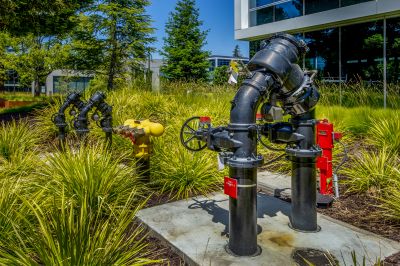
Backflow plumbing replacement services are often needed when property owners notice issues like reduced water pressure, unpleasant odors, or backflow of contaminated water into their property. These situations can arise from aging or damaged backflow prevention devices, which are essential for protecting the water supply. Local contractors are experienced in assessing these issues and providing efficient replacements to ensure the plumbing system functions properly and complies with local regulations.
Property owners might also seek backflow replacement services during routine inspections, renovations, or when installing new fixtures that require updated backflow prevention measures. In areas with older plumbing infrastructure, wear and tear or unexpected malfunctions can prompt the need for professional replacement. Local service providers are available to handle these projects, helping property owners maintain safe and reliable water systems without disruption.
What is backflow plumbing replacement? Backflow plumbing replacement involves removing and installing new backflow prevention devices or pipes to ensure proper water flow and prevent contamination.
When should backflow plumbing be replaced? Replacement is typically needed if the existing backflow device is faulty, outdated, or has been damaged, compromising its ability to prevent backflow.
How do local contractors handle backflow replacement? Local service providers assess the current system, remove the old components, and install new backflow prevention devices according to safety standards.
Are backflow replacements necessary for all properties? Not all properties require backflow replacement; a professional assessment can determine if your system needs upgrading or repair.
What types of backflow prevention devices can be replaced? Common devices include double check valves, pressure vacuum breakers, and reduced pressure zone assemblies, all of which can be replaced by local contractors.
Backflow Prevention Replacement - Replacing outdated or faulty backflow preventers ensures the property's water supply remains safe and compliant with local regulations.
Pipe Replacement for Backflow Prevention - Upgrading old or damaged pipes can prevent backflow issues and improve overall plumbing system reliability.
Backflow System Upgrades - Installing modern backflow prevention devices can help property owners avoid contamination risks in their water supply.
Emergency Backflow Repair - Service providers can quickly address backflow problems caused by sudden leaks or blockages to minimize water damage.
If you are thinking about Backflow Plumbing Replacement for a property, this guide is meant to help you understand the work, the typical project types, and how different options might fit your plans.
When you are ready, you can use the quote form on this page to share a few details about your project. From there, local pros can review the basics and respond with options that match what you have in mind.